There’s a specific moment a lot of patients describe.
They’re in a video call, or they catch themselves in a photo, or the light in the bathroom hits differently one morning — and the eyes just look tired. Heavy. Not angry, not sick. Just… not the way they feel inside.
For most people, that moment happens years before they do anything about it. And for a lot of them, the reason they wait so long is that they’re not sure whether what they’re seeing is something surgery can actually fix, or whether they’re just getting older and that’s that.
Blepharoplasty — eyelid surgery — is one of the most commonly performed facial procedures for a reason. The eyes age faster than almost any other part of the face, and the changes they go through respond well to surgery when the timing is right.
Here’s how to know whether the timing might be right for you.
The upper eyelids are the easier read
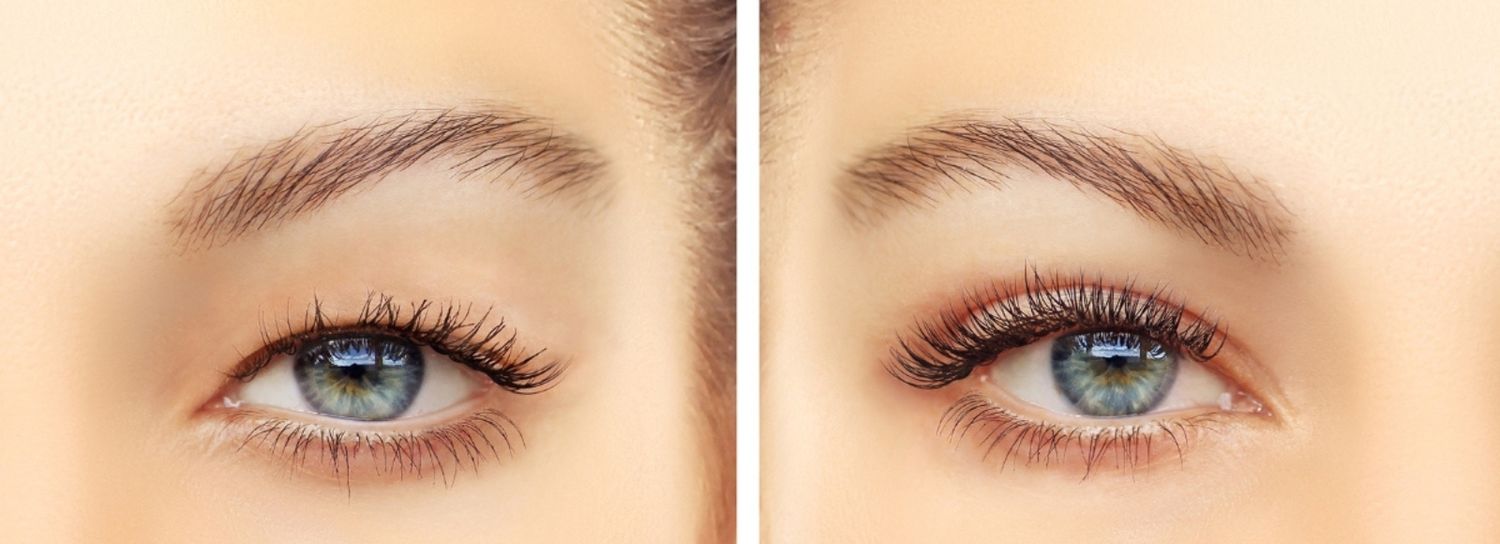
Upper eyelid issues tend to be the most visible and the easiest to identify. The skin above the eye loses elasticity over time and starts to droop. In mild cases, it just makes the eyes look heavier. In more pronounced cases, the excess skin actually folds down over the lash line and starts affecting the field of vision.
That second scenario — where skin is genuinely blocking peripheral or upward vision — crosses from cosmetic into functional. Some patients with significant upper eyelid hooding get the procedure covered by insurance for that reason. Worth asking about if it applies.
But even without the functional issue, upper eyelid surgery is frequently done on patients who simply look more tired or older than they feel, and want the outside to match the inside.
A simple test: take a photo of yourself looking straight ahead in natural light. If the crease of the upper lid is barely visible or the skin is sitting on the lashes, that’s a sign the upper lids have changed significantly.
Lower eyelids are a different situation
Lower eyelid concerns usually come down to one of three things: puffiness, hollowness, or loose skin. Often it’s a combination.
The puffiness under the eyes that doesn’t go away with sleep is almost always fat pads shifting forward as the tissue holding them weakens. It’s not fluid retention. It’s structural. No eye cream addresses it because the cause isn’t at the skin’s surface.
Hollowness — the dark, sunken look under the eyes — is a different issue. That’s volume loss, and it’s sometimes better addressed with filler than surgery. Getting this distinction right matters a lot, and a surgeon who recommends blepharoplasty for hollowness without considering filler first is worth questioning.
Loose, crepey skin on the lower lid that doesn’t snap back when you gently pull it down is a sign the skin has lost enough elasticity that surgery is likely the only way to genuinely improve it.
Signs that tend to come up in consultations
These are the things patients most commonly bring up when they come in asking about eyelid surgery:
• Looking tired even after a full night’s sleep — and having people mention it
• Upper eyelid skin that feels heavy or has to be lifted to see the crease properly
• Puffiness under the eyes that’s been there for years, not just bad mornings
• Makeup sitting differently than it used to — harder to apply, creasing faster
• Photos that look older or more tired than the mirror does
• Upper lids that feel like they’re weighing down on the eyes, especially by the afternoon
None of these alone are a reason to book surgery. But when several of them have been consistent for a while and nothing topical has made a real difference — that’s when a consultation makes sense.
What the procedure actually involves
Upper blepharoplasty involves removing excess skin and sometimes a small amount of fat from the upper lid. The incision sits in the natural crease of the eye so scarring is minimal and essentially invisible once healed.
Lower blepharoplasty varies depending on what’s being addressed. Fat can be repositioned or removed through an incision inside the lower lid (leaving no external scar), or excess skin can be removed through an incision just below the lash line.
The procedure is done under local anesthesia with sedation. Most patients go home the same day.
Recovery is real but manageable. Expect bruising and swelling for 1 to 2 weeks. Most people are comfortable being seen in public around the 2-week mark. Full healing takes longer — the final result settles over a few months.
Both upper and lower can be done together or separately depending on what’s needed. It’s also commonly combined with other facial procedures when patients are addressing multiple concerns at once.
When blepharoplasty isn’t the right answer
Surgery isn’t always what’s actually needed. A few situations where it’s worth slowing down:
If the concern is hollow, dark circles rather than puffiness or excess skin — filler is often a better starting point. Surgery on hollow lower lids can make hollowness worse.
If brow descent is the underlying issue, a brow lift may address more of the problem than eyelid surgery alone. Drooping brows push skin down onto the upper lids, and removing that skin without fixing the brows can leave the result incomplete.
And if the concern is fine lines and skin texture rather than structural change — that’s a different conversation entirely, usually involving resurfacing or injectables rather than surgery.
A consultation that starts with what’s actually bothering the patient — not just what procedure they came in asking for — tends to land on the right answer.
What makes a good candidate
• Good overall health, no uncontrolled conditions that affect healing
• Realistic expectations about what surgery changes and what it doesn’t
• Specific, structural changes to the eyelids rather than general signs of aging across the whole face
• No dry eye issues that haven’t been assessed — this matters more for lower lid surgery
• Willingness to take recovery seriously and follow post-op care properly
Age is less of a factor than people assume. Blepharoplasty is done on patients in their 30s through their 70s. The right time is when the change is meaningful enough to warrant it — not when a number is hit.
If this has been sitting in the back of your mind
Most people who come in for a blepharoplasty consultation have been thinking about it for a while. The consultation itself is usually where things get clearer — either the timing makes sense, or there’s a better path, or the expectation needs adjusting.
At Aesthetic & Cosmetic Surgeons in Canoga Park, consultations are one-on-one with Dr. Jain. The starting point is always an honest look at what’s actually changed and what the realistic options are — including whether surgery is even the right move.
No hard sell. Just a straight answer.
Aesthetic & Cosmetic Surgeons
7301 Topanga Canyon Blvd, Suite 330, Canoga Park, CA 91303
818-220-3393 · aestheticandcosmeticsurgeons.com